
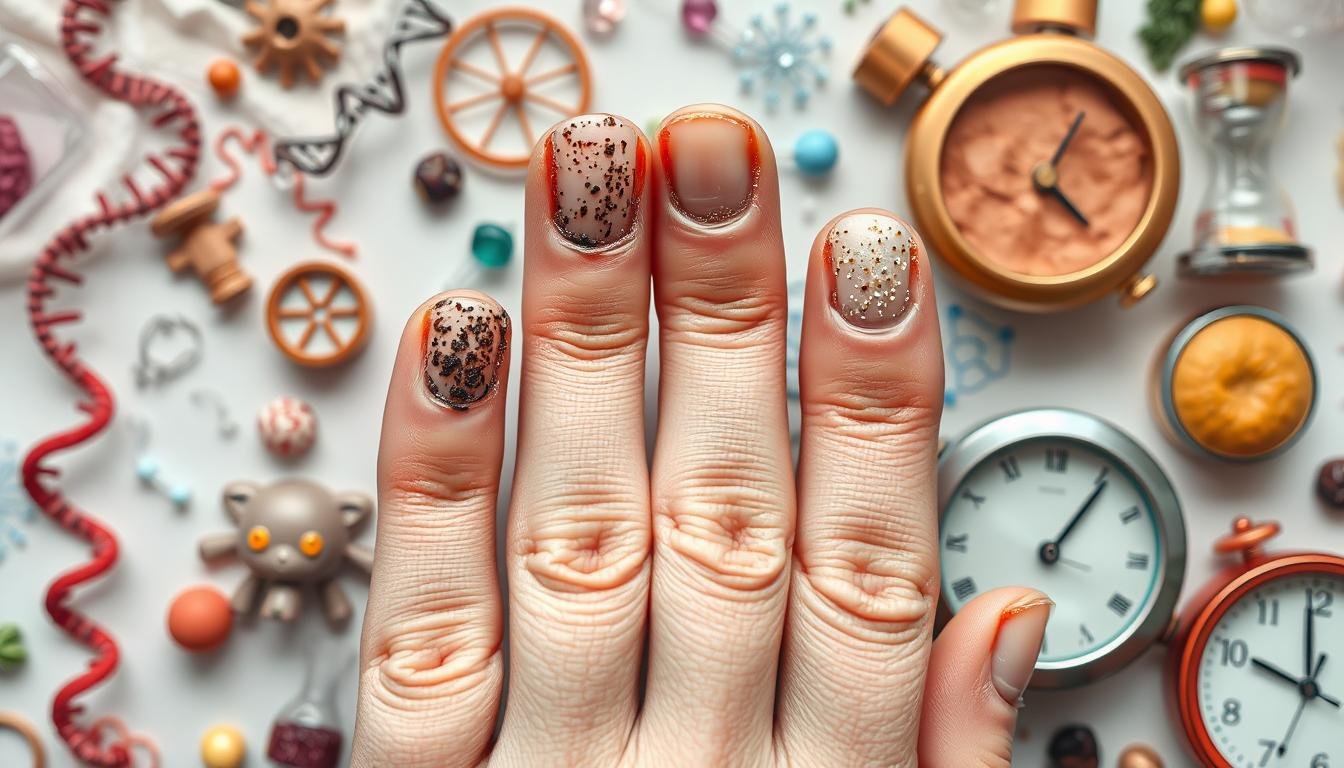
Did you know about 20% of us deal with nail problems? One common issue is onychorrhexis. It makes nails brittle and ridged. Various things, like genes or the environment, cause it. Knowing why it happens is key to keeping nails healthy.
Getting older means nails can get thinner and weaker. This ups the chances of onychorrhexis. Health problems like anemia or thyroid issues can also make it worse. Being aware lets us care for our nails better and find good treatments.
Key Takeaways
- Onychorrhexis is a nail condition featuring brittleness and vertical ridges.
- Genetics and age play significant roles in the development of onychorrhexis.
- Nutritional deficiencies of folic acid, iron, or protein can lead to brittle nails.
- Environmental factors, such as chemical exposure, can exacerbate nail health issues.
- Maintaining a healthy diet and good nail care practices can help prevent onychorrhexis.
Introduction to Onychorrhexis
Onychorrhexis involves splitting and ridges in the nails. This indicates more than just a beauty issue. Factors like genetics, aging, and lack of nutrients play a role. Those with onychorrhexis need to watch for symptoms. These signs may show other health concerns that need checking. Knowing the symptoms early can help people improve their nail health.
Getting older greatly affects onychorrhexis, making nails fragile. Knowing the reasons behind it is key to managing it well. Treatment might need tackling conditions such as anemia or avoiding harsh chemicals. Understanding nail health is more than looking good. It often shows how healthy we are overall.
Brittle nails can lower a person’s confidence. Taking steps in nail care, like eating better and protecting the nails, can improve their strength and look. Being informed about what causes and signs to look for helps in getting healthier nails.
Defining Onychorrhexis
Onychorrhexis is a common condition that affects nails. It shows special signs that are key to understanding nail health. Seeing these signs in your nails could mean there are hidden problems. Knowing about these signs helps people take care of their nails better.
What are the Symptoms of Onychorrhexis?
Onychorrhexis has clear symptoms that can be seen on the nails. People might notice:
- Nail ridges: Vertical lines may show up, pointing to issues in nail growth.
- Brittleness: Nails might break or split easily, making everyday tasks harder.
- Irrregular color: Nail color changes could suggest health problems.
- Texture changes: The surface of nails might look rough or bumpy, altering their look.
Understanding Nail Ridges and Brittleness
Nail ridges are a key sign of onychorrhexis. They happen when there’s a problem in the nail matrix, which is where nails begin to grow. Brittle nails are also common. They affect as many as 20% of people. Women get brittle nails more often than men.
Different factors can make nails brittle. These include some diseases related to blood, hormones, and long-term health issues. Lack of iron and thyroid problems can also harm nails.
Knowing the signs of Onychorrhexis is the first step in spotting nail problems. Quick action can help make nails look better and improve health.
Common Causes of Onychorrhexis: Genetics, Age, and More
It’s key to know the common causes of Onychorrhexis for good care. Genetics and aging can make nails brittle and ridged. This affects your nail’s health.
Genetic Predisposition and Nail Disorders
Genes are crucial in nail health issues. For example, Witkop syndrome shows that genes can cause nail problems like ridges. Other inherited conditions might make Onychorrhexis more likely.
Impact of Aging on Nail Health
As we age, our nails change due to slower growth and hormonal changes. People often see their nails get brittle and ridged. Poor nutrition or conditions like hypothyroidism can make these issues worse.
Getting enough iron, protein, and folic acid is important for older nails. Check out this guide on nail health for tips on care.
Genetics and Onychorrhexis
Genetics play a big role in onychorrhexis, revealing insights into nail conditions inherited from family. Certain genes make people more likely to get nail disorders. These can affect how nails look and their health. Witkop syndrome is a key inherited condition. It impacts nail growth and causes vertical ridges.
Hereditary Nail Conditions
Genes influence many nail disorders. People with nail issues in their family often face the same problems. Our genes affect keratin production. Keratin is the main protein in nails, essential for their strength and health. Knowing about these conditions is vital for managing and treating them well.
Connection Between Witkop Syndrome and Nail Health
Witkop syndrome shows how genes affect nail health. It leads to onychorrhexis and unique nail ridging. It also causes other symptoms impacting general health. Genetic tests provide key information for those with this syndrome in their family history. It allows for tailored treatment and care. Understanding genetic connections helps prepare for and prevent complications.
For more about nail changes causes and management tips, visit this helpful resource.
The Role of Age in Nail Health
Aging plays a big part in nail health. It impacts how fast nails grow and ups the chances of nail issues in older folks. Once we hit 25, nail growth slows down by about 0.5% every year. This makes some changes in the nails more noticeable.
Age-Related Changes in Nail Growth
As people get older, their nails might look and feel different. They can get a yellowish color and become thicker. These changes can lead to various nail problems. It’s important for doctors to know about these changes so they can help older adults with their nail health.
Increased Risk of Nail Disorders in the Elderly
Older adults face a higher risk of nail problems. This is because of the changes aging brings to nails. Things like poor blood flow and not getting enough nutrients can make these issues worse. Knowing about these problems helps in taking good care of nails, especially for older people.
Nutrient Deficiencies and Onychorrhexis
Nail health shows a lot about what we eat. Lacking certain nutrients can lead to problems like onychorrhexis. This issue makes nails brittle and ridged. Iron, folic acid, and protein are very important for keeping nails strong. Knowing how missing these nutrients affects nails can help us keep them healthy.
How Iron Deficiency Anemia Affects Nails
Iron deficiency anemia is common and can weaken nails. It causes spoon nails, which are concave and indicate fragile nails. It’s not just about looks; it signals health problems too. Eating foods rich in iron like leafy greens, legumes, and lean meats helps make nails stronger.
Role of Folic Acid and Protein in Nail Strength
Folic acid and protein are key for strong nails. Folic acid makes healthy cells that help nails grow well. Protein is needed for keratin, which nails are mostly made of. If we don’t get enough protein, nails can become weak and may suffer from onychorrhexis. Eating fish, eggs, beans, whole grains, and citrus fruits builds stronger nails.
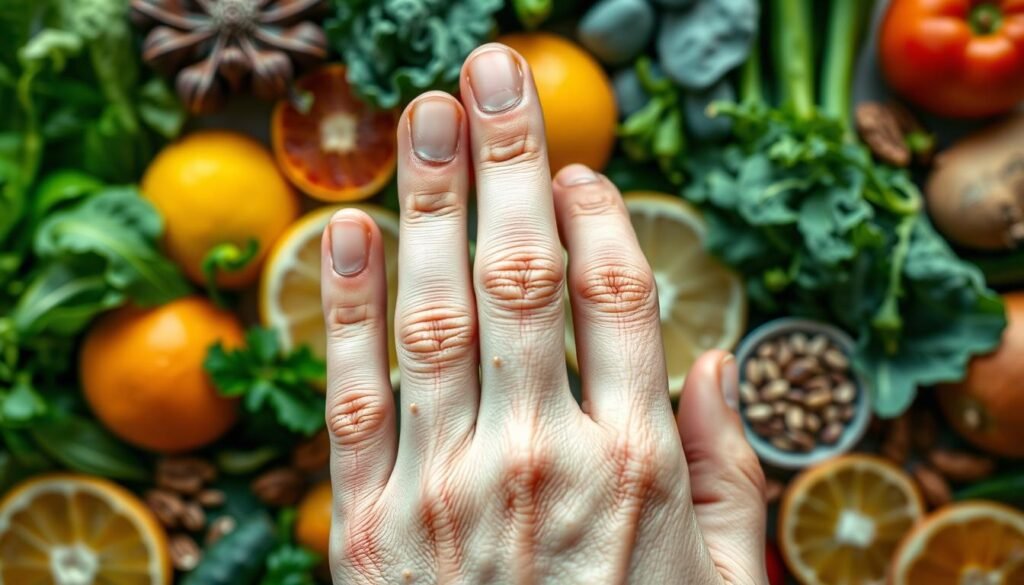
To keep nails healthy, it’s vital to eat a balanced diet. This can prevent issues like onychorrhexis. For more tips on taking care of your nails, you can read about the causes of brittle nails.
Underlying Health Conditions Linked to Onychorrhexis
Onychorrhexis shows signs of various health problems. Spotting these signs is key for the right treatment and nail health. Many long-term illnesses can affect how nails grow and look, with the thyroid being very important.
Chronic Diseases That Affect Nail Growth
Many lasting illnesses can change nails, like:
- Fungal infections: These nail issues are common and can hurt, especially the toenails.
- Psoriasis: This body defense system problem can cause nail color changes, break down, and holes.
- Amyloidosis: Though rare, this serious condition leads to nail problems among other things.
- Rheumatoid arthritis: This condition affects nail health too, causing them to become brittle or deformed.
Importance of Thyroid Function for Nail Health
The thyroid is crucial for keeping nails strong. Thyroid problems can change how the body works, impacting health and leading to:
- Brittle nails: Not enough thyroid hormone can make nails easily breakable, leading to onychorrhexis.
- Discoloration: Thyroid issues may cause nails to change color.
| Underlying Health Condition | Nail Symptoms |
|---|---|
| Fungal Infections | Painful, discolored nails |
| Psoriasis | Crumbling, pitting, discoloration |
| Amyloidosis | Brittle or thinning nails |
| Rheumatoid Arthritis | Brittle nails, deformities |
| Thyroid Disease | Brittleness, discoloration |
Paying attention to these health issues can help a lot in treating onychorrhexis. It makes nail care better.
Environmental Factors Contributing to Onychorrhexis
To keep your nails healthy, knowing about environmental factors is key. Things like trauma and not taking care of your nails properly can harm them. If you bite or pick at your nails, they could become weak and develop problems. Making changes to how you care for your nails can improve their condition.
Impact of Trauma and Nail Care Practices
Trauma is a big factor in getting onychorrhexis. Biting your nails or hurting them can make them brittle. It’s crucial to follow better nail care habits to avoid these issues. Some good habits to start include:
- Keeping nails trimmed and filed to reduce the risk of breakage.
- Avoiding biting or picking at nails and cuticles.
- Moisturizing the nails and cuticles regularly to prevent dryness.
Adopting these habits can help you have stronger nails and lessen damage from trauma. For more advice on dealing with this condition, check out this helpful article.
Influence of Harsh Chemicals on Nail Health
Certain jobs expose you to harsh chemicals that can damage your nails. For example, hairdressers and cleaners often deal with substances that dry out nails and make them brittle. It’s important to protect your nails if you work in these fields. You can:
- Wear gloves to keep chemicals off your nails.
- Choose nail care products without harsh chemicals.
- Apply a protective base coat before using nail polish to guard against harmful ingredients.
Understanding and tackling these environmental factors, along with proper nail care, can lead to stronger nails. Learning about onychorrhexis and how to manage it will help you keep your nails healthy.

Treatment Options for Onychorrhexis
There are many ways to treat onychorrhexis. This includes both medical and home care methods. It’s important to tackle the root causes of the nail issue.
Getting the right medical help for health problems is key. For example, if you have anemia, treating it can improve your nails. Taking good care of your nails at home is also crucial.
Medical Treatments for Underlying Conditions
If onychorrhexis comes from health issues like anemia, getting treated is vital. Some treatments doctors might suggest include:
- Corticosteroids: These are for inflammation.
- Polyurethane: It puts a protective coat on nails.
- Nuvail and Genadur: These are medicines made for nail health.
Eating right and taking supplements like iron can help a lot. This is especially true if your diet isn’t giving you what you need.
Home Remedies and Nail Care Tips
Home remedies can also make your nails look and feel better. Here are some tips:
- Use vitamin E oil to keep nails from getting dry.
- Try not to let your nails stay wet or use strong cleaners too much.
- Wear gloves to protect your hands from harsh chemicals.
- Keep your nails clean and cut them regularly.
- Drink lots of water and eat healthy foods full of vitamins.
Following these suggestions will help your nails get healthier. Meanwhile, your treatment plan will be more effective.
Prevention Tips for Healthy Nails
Keeping nails strong and healthy requires careful attention and good nutrition. Following prevention tips can help you avoid problems like onychorrhexis. A balanced diet and proper nail care can greatly enhance your nail health.
Maintaining a Balanced Diet for Nail Health
Eating a balanced diet is key for strong nails. Nutrients like zinc, iron, and biotin are essential. Zinc deficiency, affecting 15-20% of people globally, can result in brittle nails.
Include zinc-rich foods like whole grains, poultry, beans, and beef in your diet. It’s important to follow daily intake recommendations for your age and gender. Taking too much can have negative effects.
Effective Nail Care Strategies
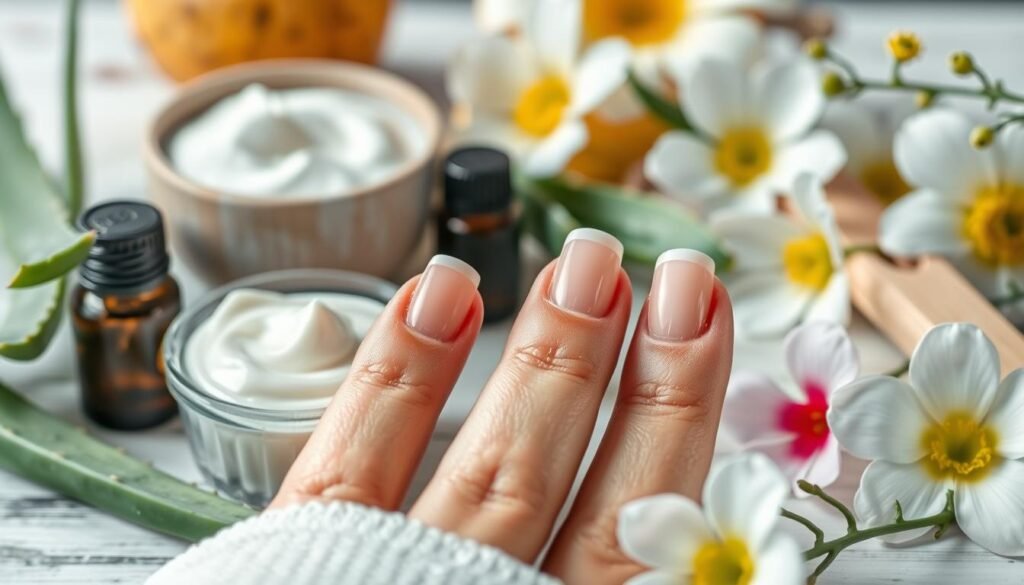
Good nail care practices are also critical. Regular trimming can prevent your nails from breaking. Keep your nails moisturized with oils like coconut and olive to avoid brittleness.
Choose acetone-free removers to keep nails hydrated. Glass files are better than emery boards to prevent damage. Avoid biting your nails to prevent infections. Using products like the Dr. Dana Nail Renewal System can help make your nails stronger.
Conclusion
Onychorrhexis involves many factors like genetics, aging, and environment. Age brings changes that affect nail health in older people. Nutrient lack and chronic illnesses also play a role in nail problems.
Knowing these causes helps those with nail changes. It’s smart to see a healthcare provider for advice. Proper care can boost nail health and overall happiness.
To understand more about onychorrhexis and how to treat it, check out resources such as this detailed analysis. Knowledge lets people take charge of their nail health for a better life.

