
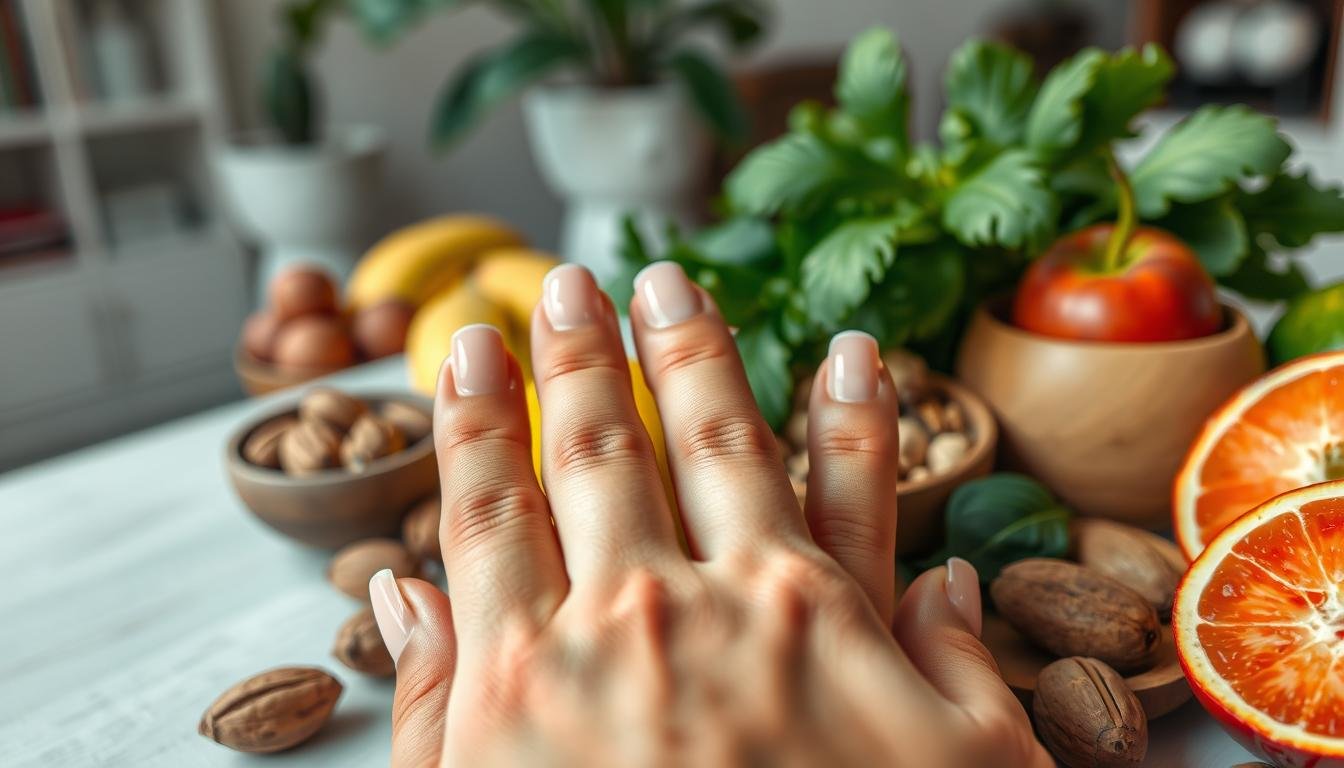
Did you know fingernails grow about 3.47 millimeters each month? Toenails grow even slower, at just 1.62 millimeters. This big difference shows it’s easy to ignore nail health until growth slows down. When nails stop growing or grow too slowly, it may signal deeper health issues, not just a beauty problem.
Several things can cause nails to grow slowly. These include health problems, not getting enough nutrients, and even injuries. Knowing about nail health is important. For example, diseases like diabetes and peripheral artery disease can harm blood flow. This bad circulation can make nails grow slower. Spotting symptoms like onychomadesis, where nails stop growing, is key to finding hidden health issues.
Understanding the reasons for slow nail growth helps people take care of their nails better. It’s good to know how life choices and health can affect nail growth. Learning why nails aren’t growing lets people act to get healthier, stronger nails.
Key Takeaways
- Nails keep growing, but some things can mess up this growth.
- On average, fingernails and toenails grow at rates of 3.47 mm and 1.62 mm per month, respectively.
- Health issues like diabetes and bad blood flow can hurt nail health and how fast they grow.
- Not having enough biotin and zinc in your diet can make nails grow slowly.
- Both big and small injuries can negatively impact nail growth and health.
Understanding Nail Growth Basics
Nail growth is a key part of human biology. Healthy people’s fingernails typically grow about 3 to 3.5 millimeters per month. Toenails, however, grow slower at 1.62 millimeters per month. The growth of nails goes through several phases. These start from the nail matrix and extend to the nail bed, affecting thickness. About 80% of fingernail growth comes from the nail root. This makes it very important for nail length. The rest, 20%, depends on the nail bed, crucial for nail bed health.
Many factors can change how fast nails grow. Poor blood flow and getting older can make nails grow slower. After turning 20, nails might grow 0.5% slower every year. Problems like nail psoriasis, fungal infections, and injuries can also harm nail strength and looks.
Nail growth isn’t the same for everyone. It can vary quite a bit. Kids’ nails grow the quickest but slow down as they get older. Studies link warm weather to faster nail growth. Also, nails might grow faster during pregnancy because of hormone changes in the third trimester.
Knowing about nail growth basics helps us understand nail development and growth factors. It shows how important it is to keep nails healthy. To promote nail health, deal with growth issues and focus on good nutrition and care.
The Importance of Nails for Overall Health
Nails do more than just look good. They protect the tips of our fingers from injuries. The importance of nails in showing our overall health is big. If nails look different, they can tell us important things about our health.
Brittle nails or discoloration might mean we’re not getting enough nutrients. These signs could point to iron deficiency anemia or other health problems. Clubbed nails could be a sign of issues with the liver or kidneys. Beaver’s lines across the nails may indicate illness or effects of medication.
Some changes in nail appearance are not serious. White spots usually come from small injuries and are often harmless. Vertical ridges could be a normal sign of getting older. But if the nails also split, it might show alopecia areata.
“Spoon” nails might mean you need more iron. Paying attention to our nails can help us stay healthy. If changes in nails don’t go away, we might want to learn about improving nail health.
Common Causes of Slow Nail Growth
Many people find their nails grow slowly. There are several common causes for this. On average, nails grow about 3mm each month. But, many things can change this rate. Aging can slow it down by 0.5% yearly after turning 20.
One main cause for slow growth is Trauma. Injuries to the nail bed can stop nails from growing right. Biting nails also hurts them and oddly, can make bitten nails grow faster than healthy ones.
Also, nail disorders, especially fungal infections, play a big part. They’re common in older people and those with health issues like diabetes or immune problems. Treating fungal infections can take a long time.
Problems with health can affect nails. Diseases of the heart, lungs, and other organs can show in nail growth. Dark lines, known as longitudinal melanonychia, might hint at serious health conditions.
| Factor | Impact on Nail Growth |
|---|---|
| Age | Decreased growth rate; typically slows by 0.5% per year after 20 |
| Trauma | Can disrupt growth cycle; can lead to faster growth in bitten nails |
| Nail Disorders | Nail fungal infections slow growth; require lengthy treatments |
| Medical Conditions | Changes in appearance may signal deeper health issues |
Understanding these slow nail growth reasons is key. It’s important to look after your nails and health. Regular health checks can help fight slow growth and find any deeper issues early.
What is Onychomadesis?
Onychomadesis is when the nail matrix stops making new cells. This leads to the nail not growing anymore. It can happen to different nails and usually points to health problems. A young woman, 23, saw her big toes’ nails stop growing repeatedly over four years. And a 79-year-old man had a similar issue with his fingernails for 10 years, along with Beau’s lines.
Often, trauma triggers this condition in the nail matrix. Running long distances or getting wrist and finger injuries can cause it. But, making small changes in how we live can fix it. For instance, someone solved their nail growth problem by not wearing socks to bed in winter.
Eating right is key for healthy nails, too. Brittle nail syndrome, seen in about 20% of people, can lead to onychomadesis. Women face it more, often due to not having enough vitamins A–E, iron, zinc, and selenium. Skin issues like psoriasis and eczema also weaken nails.
Below is a table highlighting various factors associated with onychomadesis:
| Factor | Description |
|---|---|
| Trauma | Repetitive friction, crush injuries, and fractures can trigger onychomadesis. |
| Medical Conditions | Conditions like Guillain-Barre syndrome and chronic infections may lead to nail shedding. |
| Vitamin Deficiencies | Deficiencies in key nutrients such as iron and zinc are linked to nail health issues. |
| Brittle Nail Syndrome | This condition affects mainly women and can signal broader health complications. |
| Age Factors | Older adults may experience chronic nail changes due to various underlying conditions. |
Spotting onychomadesis is crucial for checking on health. Seeing this issue with the nail matrix can lead us to explore one’s health more deeply.
Stress and Its Impact on Nail Growth
Stress significantly affects our health, including our nails. It’s often not considered, but stress impacts nail growth and appearance. When we’re stressed, our body releases hormones like cortisol. This can mess with our nails’ growth cycle, making them grow slower.
Stress can also lead to conditions that affect hair and nails. For example, it can make nails thin, brittle, and more likely to break. You might see white spots or lines on your nails if you’re stressed. More hangnails can also mean you’re more stressed than usual.
Too much cortisol from stress can cause inflammation, hurting our nails. It can make us bite our nails more, which makes them weak. Stress can also make it hard for our body to get enough nutrients. This can lead to not having enough vitamins for healthy nails.
To keep our nails healthy, managing stress is key. Doing things like relaxing and eating right can help our nails grow strong. Drinking plenty of water and eating well are important. Also, regular nail care can prevent them from breaking.
Understanding how stress affects our nails is the first step to healthier nails. By managing stress and taking care of our nails, we can keep them strong and healthy.
| Stress Factors | Impact on Nails |
|---|---|
| Cortisol Release | Inhibits nail growth, causes brittleness |
| Nail-biting Habits | Weakens nails, increases breaking |
| Nutrient Deficiency | Lowers nail health, causes slow growth |
| Inflammation | Impairs nail texture and strength |
| Sleep Deprivation | Compromises nail rejuvenation |
Nutritional Deficiencies Affecting Nails
Nutritional deficiencies are important for nail health. Not having enough vitamins and minerals can cause problems. Biotin for nails and zinc benefits for nails are very important. They help nails grow strong and healthy.
Biotin and Nail Growth
Biotin is Vitamin B7. It is needed for making keratin, which makes up your nails. Studies show that taking 2.5 mg of biotin daily can improve brittle nails in 63% of people. Even though not having enough biotin is rare, adults should try to get 30 mcg daily. This helps not just your nails, but also your hair and skin.
The Role of Zinc in Nail Health
Zinc is crucial for nail health too. It helps make protein and keeps keratin strong, which your nails need to be tough. Adults should get 11 mg (men) or 8 mg (women) of zinc each day. Not having enough zinc can lead to weak nails. Be careful with zinc supplements, as too much can make you sick.
Knowing about these nutrients is key to eating right. Eating foods high in biotin and zinc can really help your nails. It’s a good way to keep them looking great.
| Nutrient | Recommended Daily Allowance | Benefits |
|---|---|---|
| Biotin | 30 mcg | Strengthens nails and supports keratin production |
| Zinc | 11 mg (men), 8 mg (women) | Essential for protein synthesis and keratin stability |
| Iron | 8 mg (women 19-50: 18 mg) | Prevents brittleness and supports overall health |
| Protein | 0.36 grams per pound | Essential for overall nail structure and health |

Medical Conditions Linked to Slow Nail Growth
Several medical conditions can slow down nail growth. These issues affect both the looks and health of nails. Knowing about these can lead to faster action if nail changes are spotted.
Peripheral Artery Disease and Nails
Peripheral artery disease (PAD) greatly affects blood flow. It brings less oxygen and nutrients to the nails. This can slow nail growth and change how nails look.
People with PAD symptoms, like leg pain or feeling tired, should watch their nails. Nails can show how good your blood flow is.
Effects of Diabetes on Nail Growth
Diabetes affects nail growth a lot. It makes nails more open to infections and other problems. High sugar levels can harm blood flow and nerves, leading to nail changes.
Those with diabetes often see slower nail growth. They might get onychomycosis, a fungal nail infection. This can damage nail health even more.
| Medical Condition | Impacts on Nails | Associated Risks |
|---|---|---|
| Peripheral Artery Disease | Slow growth, poor appearance | Infection, tissue damage |
| Diabetes | Fungal infections, slower growth | Infections, neuropathy, circulatory issues |
Trauma and Its Effect on Nail Development
Nail health is greatly affected by trauma. It’s important to know about both macrotrauma and microtrauma. Knowing these helps us see how injuries can slow down nail growth. This urges us to take better care of our nails.
Macrotrauma: Sudden Events Impacting Growth
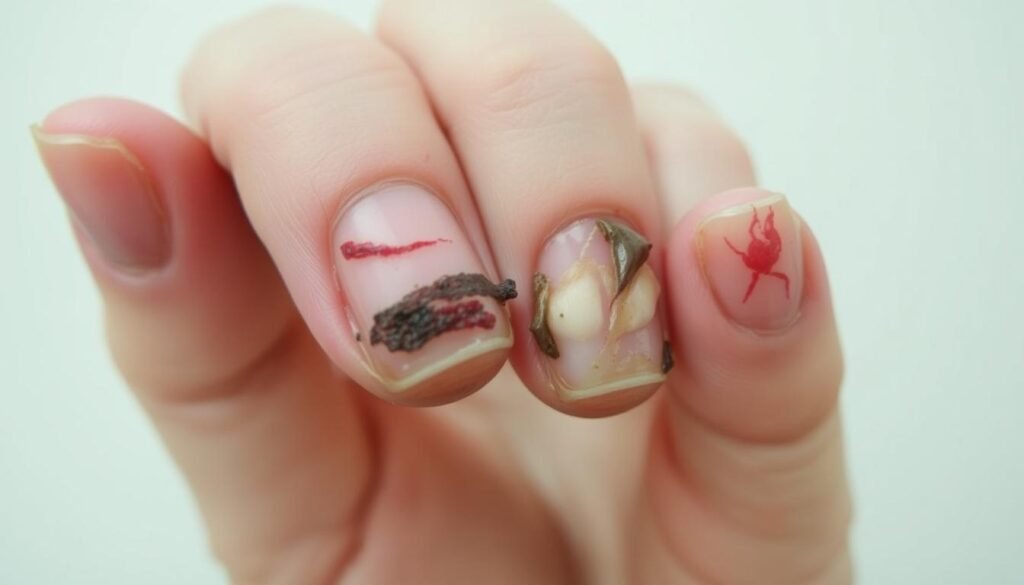
Macrotrauma involves big, often sudden injuries to the nails. Examples are heavy objects dropping on a nail or sharp accidents. These injuries can cause serious problems. They might even lead to losing part or all of a nail bed.
Nail bed injuries are common, with many linked to bone breaks. If you get a nail injury, it’s key to look after it well. Quick care can keep nails growing healthy.
Microtrauma: Continuous Damage to the Nail Bed
Microtrauma is about the little injuries happening over time. These can come from daily activities that hurt the nail. This leads to nails getting weak and brittle over time. Signs like your nails peeling can mean they need more care.
Noticing these signs helps you start taking better care of your nails. This might mean changing your routine or diet. Sometimes, adding biotin supplements can also help nails grow better.
| Type of Trauma | Effects on Nail Growth | Common Causes |
|---|---|---|
| Macrotrauma | Potential for nail bed avulsion and total loss | Heavy objects falling, accidents |
| Microtrauma | Weak, brittle, or peeling nails | Chronic irritation, environmental factors |
It’s crucial to know the risks from nail trauma, from big injuries to small ones. Preventing harm is key for healthy nails and well-being.
Slow Nail Growth: Why Are Your Nails Not Growing?
Nail health mirrors your overall health. Slow nail growth causes are key for people with this problem. Genetics impact nail growth a lot. Nails grow fast when you’re young, but slower as you get older. Pregnant women might see their nails grow faster due to hormones.
There are critical facts about slow nail growth you should know. Nutritional deficiencies can slow down your nails. Biotin, a kind of B vitamin, makes nails stronger and helps them grow. Even though many get enough biotin from food, supplements can help those with weak nails. Finding nail health solutions that focus on nutrition is crucial for healthy nails.
Medical issues like malnutrition and thyroid problems can also affect your nails. Not taking care of your nails properly can lead to damage. Products like Orly’s Breathable Calcium Boost can help thin nails. Wearing rubber gloves while cleaning protects your nails too.
Understanding that many factors influence nail health is important. Look into your health, diet, and how you care for your nails for better growth. This will improve both your nail growth and overall health.
Treatment Options for Slow Nail Growth
Dealing with slow nail growth means looking at various treatment options. These tackle external and internal factors. Eating well is key. Include zinc, biotin, and folate in your diet to help nails grow.
Doctors often recommend a daily biotin supplement, about 2.5 milligrams. This can make nails stronger in weeks. Biotin and vitamin E are also great in topicals for stronger nails.
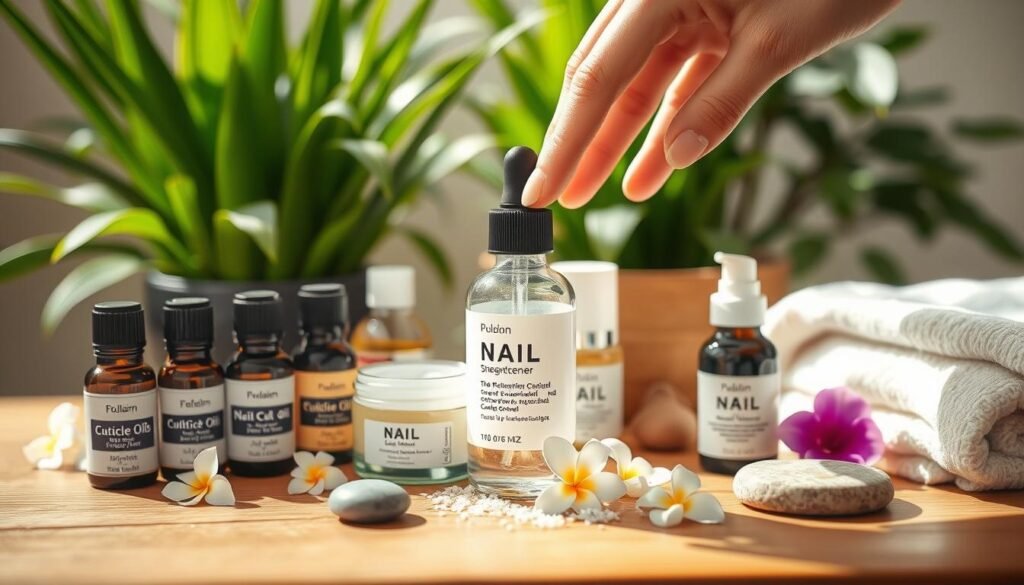
Good nail hygiene is also important. Keep nails short, don’t bite them, and moisturize cuticles to prevent infections. If you’ve hurt your nails or have ongoing issues, use protective gear and see a doctor. Fixing health problems like peripheral artery disease or psoriasis can also help nails grow better.
If you have a long-term issue, you might need medical treatments and nail health remedies. This could mean antifungal drugs for infections or steroid creams for psoriasis. It’s important to watch for changes in your nails’ color, texture, or pain. These signs could mean you need a professional’s help and a specific treatment plan.
Getting your nails to grow well and stay healthy takes a mix of good diet, keeping your nails clean, and working with doctors for the best treatment options.
Conclusion
Knowing how nails grow helps us understand more about our health. Nails do more than just protect our fingertips. They also show how healthy we are. Things like getting hurt, not eating well, certain illnesses, and stress can make nails grow slower. This tells us it’s important to take care of our nails for our health.
Taking good care of our nails is key for them to grow well. Eating foods with biotin and zinc helps our nails get stronger and grow faster. If you have nail problems that won’t go away, getting help from a pro can make your nails look better and find any hidden health issues. Paying attention to nail care helps us stay healthy over time.
It’s really important to look after our nail health early on. Adding the right nutrients to your diet, noticing what stops your nails from growing, and getting advice from doctors can help anyone have strong and pretty nails. Seeing nail care as a part of staying healthy means better care for our whole body.

