
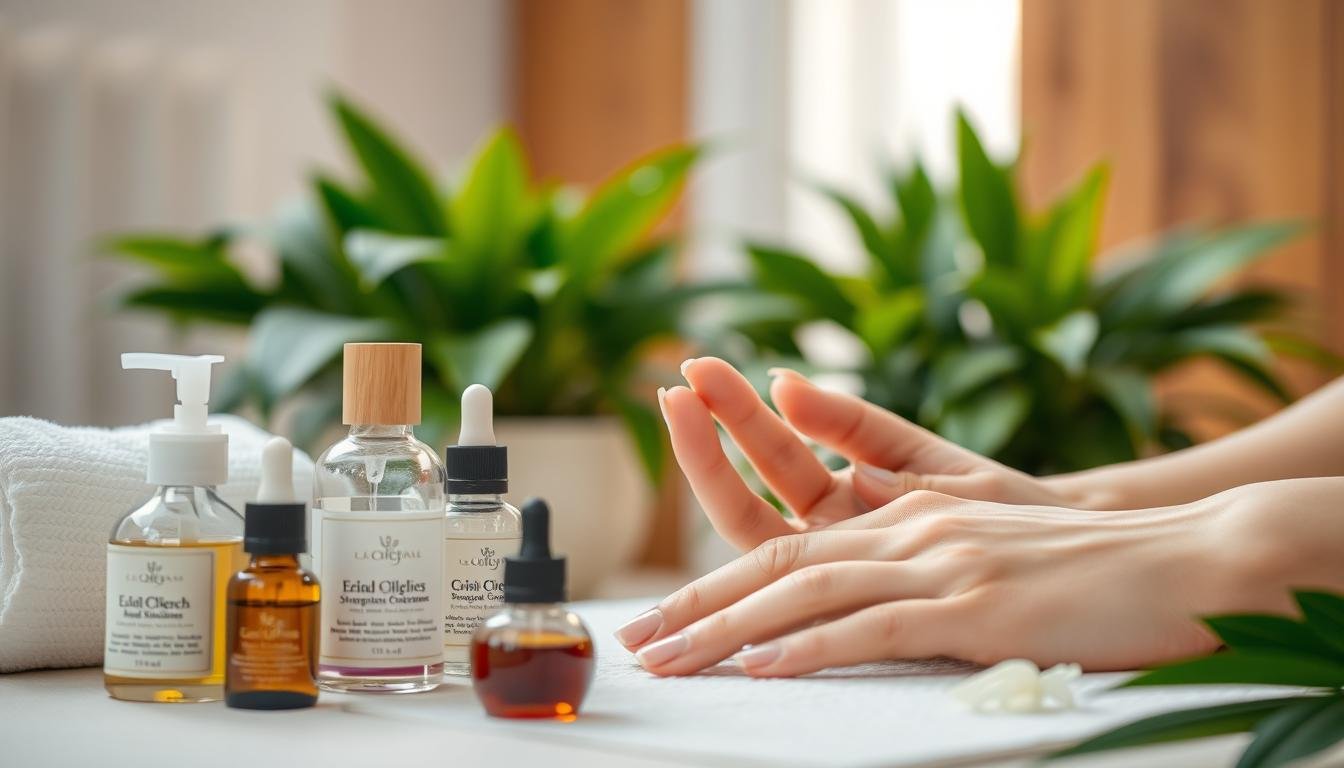
Did you know women are twice as likely as men to have brittle nails? This fact highlights the commonness of onychorrhexis. It’s known for causing vertical ridges and making nails brittle. Onychorrhexis can affect daily life by causing discomfort and sometimes embarrassment.
It’s vital to know how to care for fragile nails, especially as we get older. This article will guide you through understanding onychorrhexis. We will cover its causes, symptoms, and the best treatment ways. With proper information, improving nail health becomes easier.
Key Takeaways
- Onychorrhexis is a common condition that affects nail appearance and integrity.
- Women over the age of 60 are particularly vulnerable to brittle nails.
- Nutritional deficiencies, such as iron and protein shortfalls, can worsen nail brittleness.
- It’s important to monitor nails for changes that may signal underlying health issues.
- There are effective treatments, both at home and medically, to improve nail health.
- Preventive measures play a critical role in maintaining strong, healthy nails.
Understanding Onychorrhexis
Onychorrhexis is known for vertical ridges on nails. These ridges vary in severity. It’s mostly a cosmetic concern but can hint at health issues.
It affects the nail matrix, which is crucial for nail growth and strength. Knowing about onychorrhexis includes understanding its impact on nail health. This might reveal clues about your overall health.
- Anemia
- Thyroid diseases
- Arteriosclerosis
- Nutritional deficiencies, especially in iron and folic acid
- Aging
- Nail trauma
Diseases like rheumatoid arthritis and metabolic syndromes can worsen nail health. This can lead to dry, brittle, and ridged nails. Understanding onychorrhexis means knowing how diet and nutrition affect nail health.
| Cause | Impact on Nails |
|---|---|
| Anemia | May lead to weak, brittle nails |
| Thyroid disease | Causes dryness and brittleness |
| Aging | Increases nail fragility and ridges |
| Nutrient deficiencies | Impaired growth and integrity |
| Nail trauma | Can damage the matrix, causing irregular growth |
Knowing the full onychorrhexis definition helps people see the link between nail and overall health. Taking care of your nails and eating right can help manage this condition.
What Causes Nail Brittleness?
Nail brittleness comes from both internal and external factors. One big cause is not getting enough certain nutrients. If you lack iron, protein, or folic acid, your nails might grow slow and weak.
Diseases like diabetes and hypothyroidism also matter. They can change how your nails look and make them brittle. Anemia, for example, lowers oxygen to tissues, which affects nail strength.
Jobs are important too. Nurses and hairdressers often have to wet and dry their hands a lot. This, along with using strong chemicals or getting nail injuries, can harm your nails over time.
Fungus can crack nails and damage them. As we get older, our nails can get thinner and dry. This makes them easier to damage.
Taking care of your nails can really help. Moisturize them, stay away from harsh chemicals, and follow good nail care routines. If you want to learn more about taking care of brittle nails, check out these online resources.
Symptoms of Onychorrhexis
Onychorrhexis is a common nail disorder with several noticeable signs. It’s easier to spot early thanks to these symptoms. The main sign is visible ridges running along the nails. This gives them a bumpy feel.
People with this condition often see other brittle nail signs including:
- Splitting of the nail surface
- Peeling layers of the nails
- Softening of the nail material
- Discoloration, often seen as yellow or brownish tones
- Crumbling edges that can lead to sharp, painful fragments
In worse cases, nails might show horizontal ridges. Spotting these key signs is the first step in managing onychorrhexis effectively.
| Symptom | Description |
|---|---|
| Longitudinal Ridges | Visible lines along the length of the nail |
| Splitting | Cracks or breaks in the nail surface |
| Peeling | Lifting of layers from the nail |
| Discoloration | Changes in nail color, often yellow or brown |
| Crumbling Edges | Frayed and jagged edges that may cause pain |
Being aware of these symptoms helps in identifying onychorrhexis early. Noticing changes in your nails over time is key. This awareness can guide you in keeping your nails healthy and getting advice when needed.
Dealing with Onychorrhexis: How to Treat Fragile Nails
Dealing with fragile nails means caring for them at home and checking health issues. Knowing why onychorrhexis happens helps people choose the right onychorrhexis treatment. It’s important to keep hands clean and take care of your nails to stop things from getting worse.
To keep nails strong, eating a balanced diet is key. Without enough vitamins, people might get brittle, soft, or splitting nails, especially as they grow older. Eating foods full of vitamins and minerals helps nails stay healthy. You can learn more about good habits for your nails by visiting daily nail care practices.
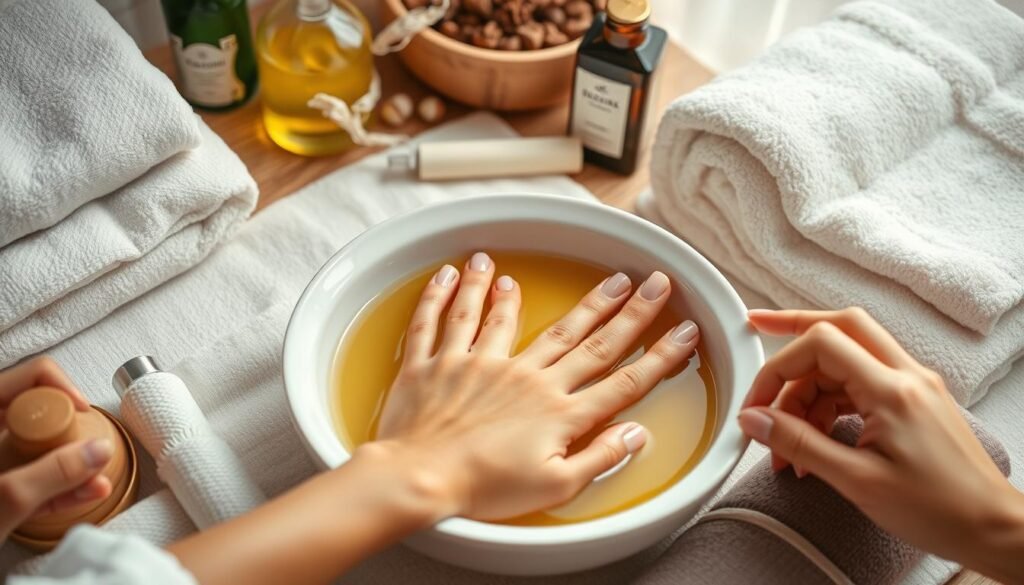
Avoid habits that can harm your nails, like too much nail polish or using strong chemicals. It’s also good to stay away from things that make nails brittle. This could be being in water too much or hurting your nails during everyday tasks.
If you’re having trouble with your nails, getting professional help is a good idea. Seeing a health professional regularly can spot health problems that show up as changes in your nails, like different colors or ridges. Watching your nail health closely can help catch and treat any issues early on.
| Cause | Effect on Nails | Treatment |
|---|---|---|
| Anemia | Brittle, weak nails | Nutritional supplements, diet improvements |
| Hypothyroidism | Dry, brittle nails | Medication management |
| Fungal Infections | Changes in texture and discoloration | Oral medications and topical treatments |
| Nail Trauma | Splitting and ridges | Avoiding harsh practices, gentle care |
| Autoimmune Conditions | Thinning and brittleness | Medical treatment for underlying condition |
Improving nail health means understanding what makes them brittle and following good treatments. This includes caring for them every day and getting checked by doctors regularly. Proper care not only makes your nails look better but also helps your overall health.
Nutritional Factors Affecting Nail Health
Nutritional factors play a big role in nail health. Nails are mostly made of keratins, similar to hair. Keeping nails strong needs enough vitamins, minerals, and proteins. Biotin is especially good for making nails less brittle and stronger. Minerals are also key to stopping issues like onychorrhexis.
Importance of Biotin and Other Supplements
Biotin supplements help make nails stronger. Research shows biotin improves nail growth and thickness. This means less brittle nails. Zinc is also important for nail health. Without enough zinc, nails can become brittle. You can learn more about zinc’s impact on nails here. Biotin and zinc are important for keeping nails in good shape.
Dietary Recommendations for Strong Nails
To keep nails healthy, eat a balanced diet. Here are some tips for strong nails:
- Protein-rich foods: Eat lean meats, fish, eggs, and legumes.
- Iron sources: Add spinach, lentils, poultry, and fortified cereals to your diet.
- Fruits and vegetables: Choose many colors for a range of vitamins.
- Nuts and seeds: Almonds, sunflower seeds, and walnuts have good fats and minerals.
- Hydration: Drink enough water to keep nails from drying out.
Consider supplements if your diet lacks these nutrients. Watching your mineral intake, like zinc and magnesium, is crucial. This ensures nails stay strong and healthy.
Home Remedies for Nail Care
Nail health is key for looking and feeling great. Using home remedies for nails can make them strong and less brittle. Try simple moisturizers and protective tips for tougher nails and a better appearance.
Moisturizing Nail Treatments
Keeping nails moisturized is critical to avoid brittleness. Regular use of oils and creams brings back moisture. Here are some top picks:
- Coconut Oil: Its deep moisturizing effect revives dry nails and cuticles.
- Apple Cider Vinegar: This remedy strengthens nails and provides vital nutrients.
- Tea Tree Oil: It moisturizes and guards against infections thanks to its antifungal traits.
- Lemon Juice: Packed with vitamin C, it strengthens nails and boosts shine.
- Warm Oil Soaks: A 20-minute soak in warm oils can hydrate and fortify nails.
Protective Measures Against Nail Damage
To protect nails, adopt these strategies. They help prevent damage. Consider:
- Wear Gloves: Gloves shield your nails when cleaning or dealing with harsh substances.
- Limit Water Exposure: Less hand washing and avoiding water can preserve nail health.
- Choose Gentle Products: Gentle cleansers and nail polish removers keep natural oils intact.
- Healthy Diet: Eating foods rich in biotin and vitamins boosts nail strength and looks.

| Moisturizing Treatments | Benefits |
|---|---|
| Coconut Oil | Deep hydration and nourishment |
| Apple Cider Vinegar | Strengthens while providing nutrients |
| Tea Tree Oil | Protects against fungi and moisturizes |
| Lemon Juice | Rich in vitamin C for enhanced strength |
| Warm Oil Soaks | Hydrates and repairs damage |
Medical Treatments for Onychorrhexis
When you notice onychorrhexis, it’s crucial to seek medical help. This is especially important if it might be linked to other health issues. A good treatment plan often includes special nail medications and care. It might also target other medical conditions involved.
Prescription Medications and Nail Lacquers
Prescription meds are key in fighting onychorrhexis. Products like polyurethane and Nuvail, a special nail lacquer, help strengthen and beautify weak nails. Those with changes in nail health, especially from conditions like rheumatoid arthritis or poor nutrition, may find these helpful. Always ask a healthcare professional about the best nail medications for you.
Addressing Underlying Health Conditions
Treating underlying health issues is vital. Conditions like thyroid disease, anemia, or autoimmune disorders can affect your nails. For example, rheumatoid arthritis might cause nail changes, such as vertical ridges. Healthcare providers could suggest treatments, including vitamin E or medication tweaks, to help your nails. Regular health check-ups help keep treatments on track.
| Condition | Recommended Treatment |
|---|---|
| Rheumatoid arthritis | Medication adjustments, vitamin E |
| Nutritional deficiencies | Iron supplements, multivitamins |
| Brittle nail syndrome | Hydrosoluble lacquers, moisturizing products |
Knowing how nail health connects to your overall well-being leads to better treatments. It helps make care for nail brittleness more complete and effective.
Effective Nail Strengthening Products
If you have brittle nails, finding the right nail strengthening products is key. Topical treatments are great for fighting brittleness, making nails stronger. They often have vitamin E and keratin, boosting and rebuilding weakened nails. It’s worth exploring these to find the best fit for healthy nails.
Topical Treatments for Brittle Nails
Special treatments for brittle nails pack in nourishing oils, proteins, and compounds that build strength. Products like polyurethane and Nuvail are well-known for their success in treating onychorrhexis. Plus, adding moisturizers helps keep nails from losing moisture, crucial for keeping nails in good shape. Check out these standout products:
- Opi Nail Envy: This nail strengthener forms a strong shield against breakage.
- Essie Grow Stronger Base Coat: Boosts nail strength and flexibility.
- Nutra Nail Growth Formula: Packed with vitamins for tougher nails.
Choosing the Right Nail Polish
To find the best nail polish for brittle nails, look for healthy options. Choose polishes rich in vitamins and strengtheners for the best care. It’s also smart to steer clear of harsh chemicals found in some polishes. Here are pointers for picking the best polish:
- Seek out polishes with “strengthening” or “nourishing” labels.
- Find brands that offer extra vitamins like biotin and calcium.
- Pick polishes that don’t contain toluene, formaldehyde, and DBP.
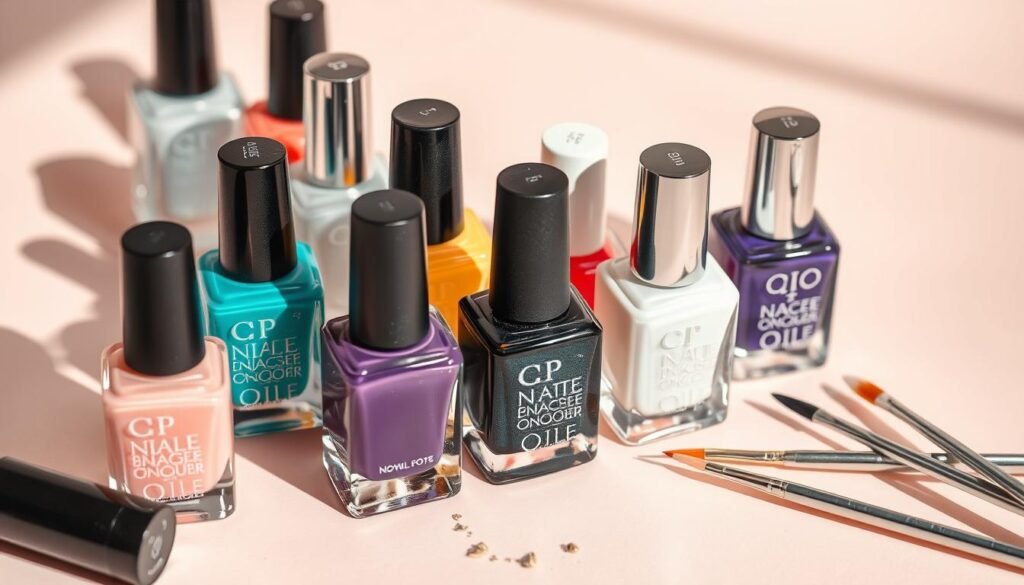
Choosing quality nail strengthening products is about more than looks. Keeping your nails healthy helps tackle problems like onychorrhexis head-on, leading to better nail health. With the right treatments and polishes, anyone can achieve stronger, healthier nails.
Preventing Onychorrhexis
Effective nail health habits are crucial for preventing onychorrhexis. By taking proactive steps, individuals can keep their nails strong and healthy. Proper nail care and hygiene reduce the risk of brittle nails.
Daily Habits for Healthy Nails
Maintaining a regular care routine is key for nail strength. Consider these important habits:
- Nail Trimming: Trim nails regularly to avoid breaks.
- Moisturizing: Use quality moisturizers to keep nails and cuticles hydrated.
- Protective Gear: Wear gloves when dealing with harsh chemicals or water.
- Balanced Diet: Eat foods rich in iron, protein, and folic acid.
- Limit Chemical Exposure: Minimize the use of nail polish remover and adhesives.
Maintaining Proper Nail Hygiene
Good hygiene is key to nail health. To avoid nail brittleness, follow these tips:
- Gentle Cleaning: Clean nails gently with mild soap and water.
- Drying: Dry hands and nails well after washing to avoid moisture problems.
- Limit Artificial Use: Use artificial nails less often to let your natural nails breathe and strengthen.
- Hydration: Drink plenty of water daily to stay hydrated.
Adding these habits to your daily life can improve nail health and prevent brittleness. Consistent care and good hygiene are vital for strong, beautiful nails.
Conclusion
Onychorrhexis affects many, especially older adults. It happens due to aging, lack of nutrients, or injuries. Learning the causes helps people keep their nails healthy. It’s vital to spot signs early for good treatment. This can range from eating right to using home and clinical remedies.
To care for nails, build daily routines that prevent brittleness. Focus on keeping nails clean and protected. Studies show that 10% of people see doctors for nail problems. This highlights the need for awareness and proactive measures. Options include special creams and improving your diet for stronger nails.
Looking after your nails makes them look good and shows you’re healthy. To understand onychorrhexis better, read the summary onychorrhexis treatment. Staying informed lets you manage your nail health well.

