
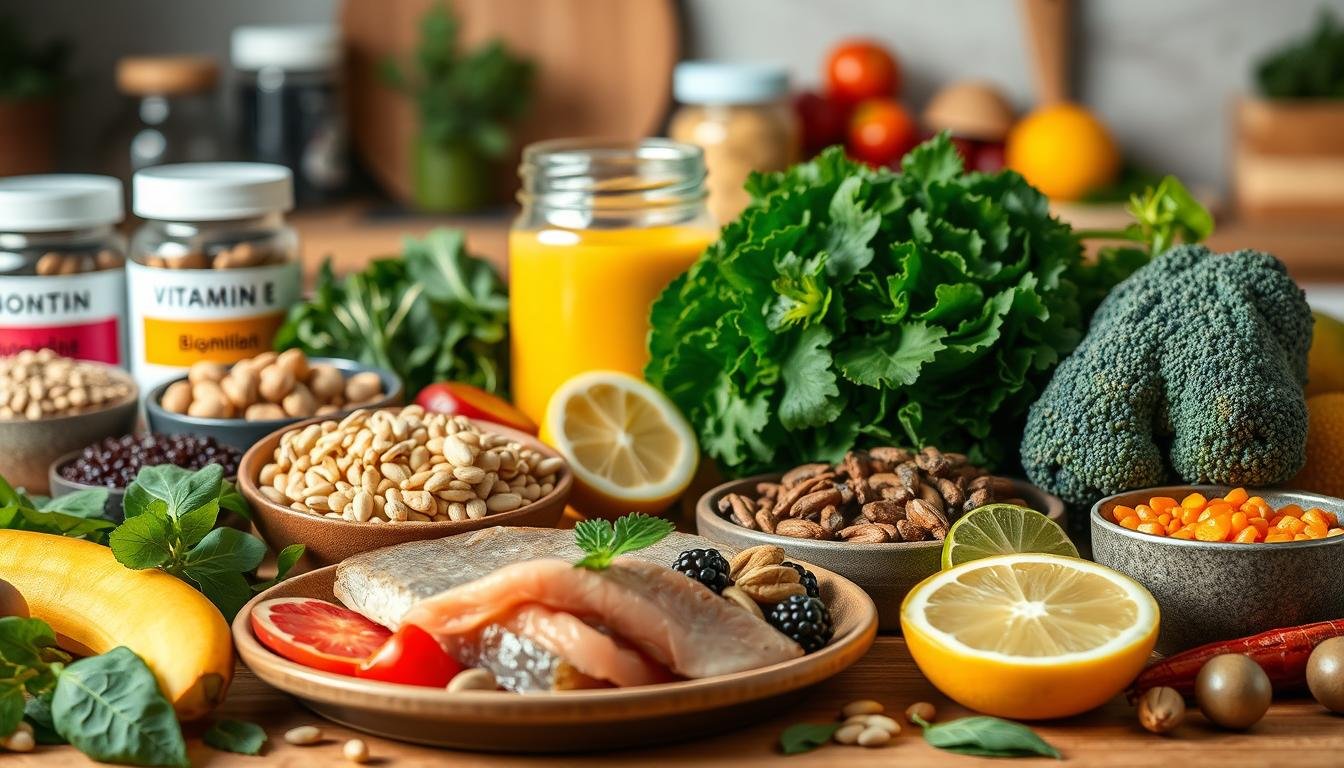
Did you know vertical ridges on nails or onychorrhexis, often appear as we get older? They affect more than 75% of people over 50. This issue could signal we’re not getting enough important nutrients. Things like iron, folic acid, and protein matter a lot.
Understanding how a good diet relates to nail health is key for preventing onychorrhexis. It also promotes overall well-being.
Many seek ways to keep their nails looking strong. Adding certain foods to your diet and making lifestyle changes can greatly help. This improves how your nails look and their strength.
Key Takeaways
- Onychorrhexis is common with aging and can be linked to nutrient deficiencies.
- A nutrient-rich diet plays a crucial role in maintaining nail health.
- Hydration and nail hygiene are essential for preventing nail issues.
- Regular check-ups with dermatologists can help detect nail-related health problems.
- Dietary adjustments, including biotin, iron, and zinc, can improve nail quality.
Understanding Onychorrhexis and Its Causes
Onychorrhexis is a condition with brittle nails and long ridges, which can crack and split. It often comes from lack of nutrition affecting nail health. Minerals like zinc and iron are crucial for strong nails. Without them, onychorrhexis can happen.
Zinc’s role in nail health is big. Not having enough zinc can cause brittle nails and other problems. Studies show 15–20% of people around the world might not get enough zinc. This can make nails grow slower and break easier, even leading to nail loss.
Getting older and environmental factors also impact nails. Too much water exposure weakens them. Health issues like thyroid disease and psoriasis can harm nails too. Knowing these causes is key for keeping nails healthy. For tips on nail care, check out this article on nail ridges.
The Importance of a Nutrient-Rich Diet for Nail Health
Eating well is key for strong nails. Many people don’t see how their dietary impact on nails matters. Yet, not getting enough important nutrients can cause problems. Your nails need the right mix of vitamins, minerals, and proteins.
Research shows that some nail problems could hint at lack of iron or not enough protein and folic acid. Not getting enough zinc can also affect your nails, making them have white spots or Beau’s lines. Women, especially if pregnant or breastfeeding, and vegetarians might not get enough of these nutrients.
It’s also vital not to forget about minerals like calcium and selenium. Not having enough calcium can result in Beau’s lines on nails. Dark lines under the nails can point to serious health issues. Foods like Brazil nuts and sunflower seeds are great for selenium intake and nail health.
There’s a recommended daily amount for these minerals to keep a good balance. Men should get about 11 mg of zinc and women about 8 mg. Getting enough calcium and selenium is also important to protect your nails.
Having a nutrient-rich diet does more than make your nails strong. It guards against many conditions. Making smart food choices is a great way to keep your nails healthy and avoid problems from not getting enough nutrients.
| Nutrient | Recommended Daily Allowance | Food Sources |
|---|---|---|
| Zinc | 11 mg (Men), 8 mg (Women) | Meat, shellfish, legumes, nuts |
| Calcium | 1,000 mg (Adults) | Dark leafy greens, almonds, sesame seeds |
| Selenium | 55 mcg (Adults) | Brazil nuts, sunflower seeds, fish |
Nutrient-Rich Diets for Healthy Nails and Preventing Onychorrhexis
Nail health improves with diets rich in nutrients, providing essential vitamins and minerals. Focusing on nail nutrition can prevent onychorrhexis, ensuring nails stay healthy. Eating foods filled with vital nutrients supports nail strength and their look.
Eating a mix of foods daily boosts nail health. Legumes, like lentils and chickpeas, are packed with protein that aids nail growth. Nuts, such as almonds and walnuts, give healthy fats and antioxidants for nail nourishment. Spinach and kale, rich in iron and folic acid, contribute to strong nails.
A balanced diet helps tackle nutrient deficiencies. Vertical ridges in nails can signal a nutrient lack, often due to aging or health problems. A diet rich in essential nutrients, along with proper nail care, makes preventing onychorrhexis simpler. Keeping nails moisturized and clean also strengthens them.
Key Nutrients to Consider for Strong Nails
Strong nails start with good nutrition. Lots of essential nutrients help keep nails healthy. Key players include biotin and protein, both vital for nail strength.
Biotin: The Nail Strengthener
Biotin or Vitamin B7 is crucial for nails. Studies show it helps 30-50% of people who use it. It’s great for making nails stronger and helping them grow. Experts suggest taking 2.5 mg of biotin daily for 6-9 months to see results. Foods like eggs, nuts, and whole grains are great sources of biotin.
Protein Intake: Building Blocks for Healthy Nails
Protein is key for creating keratin, which nails are made of. Not eating enough protein can make nails weak and brittle. It’s important to eat enough protein every day. Adding lean meats, fish, dairy, legumes, and nuts to your diet helps. Eating enough protein makes nails strong and keeps you healthy overall.
Vitamin C: A Vital Nutrient for Nail Growth
Vitamin C is key for healthy nails. It helps produce collagen, making nails strong. Eating foods like oranges and red peppers boosts nail growth. This is because nails grow about 0.1 millimeters each day. Getting enough vitamin C is essential for them to grow well.
How Vitamin C Affects Collagen Production
Collagen makes our nails strong. Without enough vitamin C, nails can become weak and brittle. Eating foods rich in vitamin C helps make enough collagen. Red peppers have more vitamin C than oranges, so they’re great for your nails.
Other nutrients also help nails grow. Biotin, or vitamin B7, is important for cells and amino acids used by nails. It’s important to eat foods that have nail growth nutrients like silicon, iron, and vitamins A and D. These can make your nails much healthier.
| Vitamin C Sources | Vitamin C Content (mg per 100g) |
|---|---|
| Red Peppers | 127.7 |
| Oranges | 53.2 |
| Kiwi | 92.7 |
| Strawberries | 58.8 |
| Broccoli | 89.2 |
Eating a diet rich in vitamin C and other key nutrients can really help your nails. High vitamin C intake leads to better vitamin C for nail health and stronger nail growth.
The Role of Iron and Preventing Iron Deficiency
Iron is vital for nail health, helping transport oxygen in the body. Not having enough iron can cause brittle, spoon-shaped nails. This problem affects about 20% of people, especially women who are twice as likely to experience it.
Low iron can lead to symptoms that harm our health and how our nails look. Without enough iron, our body can’t make hemoglobin. This is needed to get oxygen to our nails and other tissues. Without it, nails get weak and easily damaged. To prevent iron deficiency, eating foods high in iron is a must.
Some top dietary iron sources are:
- Red meat
- Poultry
- Lentils
- Beans
- Fortified cereals
- Spinach
- Nuts and seeds
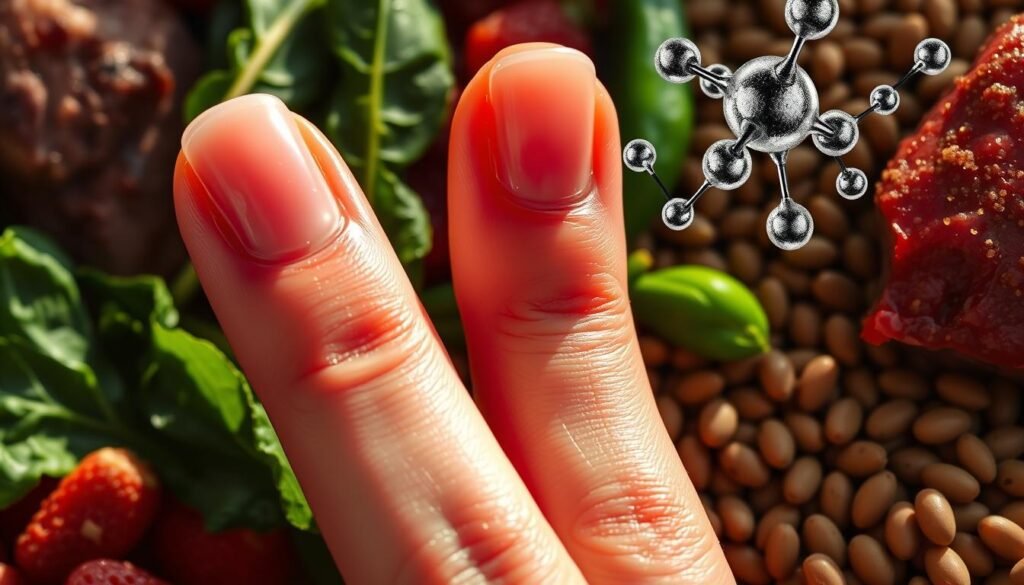
Adding these iron-rich foods to your diet can significantly boost your iron levels. This supports strong nail growth and prevents iron deficiency. By making smart food choices, we can improve our nail strength and overall health. It’s crucial to ensure our diet provides enough iron for our nails, making them resilient and beautiful.
| Food Source | Iron Content (mg per 100g) |
|---|---|
| Red Meat | 2.7 |
| Poultry | 1.5 |
| Lentils | 3.3 |
| Beans | 2.5 |
| Fortified Cereals | 28.0 |
| Spinach | 2.7 |
| Nuts and Seeds | 3.0 |
Zinc Supplements: Essential for Nail Integrity
Zinc is key for healthy nails. It helps keep them strong and prevents brittleness. If you don’t get enough zinc, your nails might grow slowly or become weak.
Zinc helps make collagen, which nails need to stay strong. Without enough zinc, nails can become fragile. People often don’t see how zinc shortage affects their nails. You might notice your nails break easier or look different.
Eating foods high in zinc can help your nails. Options include oysters, red meat, chicken, beans, nuts, and whole grains. If you can’t get enough zinc from food, supplements are a good option.
- Oysters: One of the richest sources of zinc.
- Beans: A great plant-based option for zinc.
- Nuts: Offer a healthy snack choice that’s also beneficial for nails.
- Whole Grains: Include varieties like quinoa and brown rice in meals.
Knowing about zinc’s role in nail health is important. You can eat certain foods or take supplements to make sure you get enough. This will help keep your nails strong and looking good.
Incorporating Omega-3 Fatty Acids in Your Diet
Omega-3 fatty acids are key for our well-being. They are important for keeping our nails hydrated. Eating foods high in omega-3 can make your nails look better and stronger. This is good news for people with weak nails.
Benefits of Omega-3 for Nail Moisture
Eating fish, flaxseeds, and walnuts gives you nutrients that fight against nail brittleness. These fats keep your nails hydrated, making them less likely to get damaged. Sadly, 20 percent of people have weak and brittle nails, leading to peeling and breaks. Adding omega-3 to your diet can help fix this.
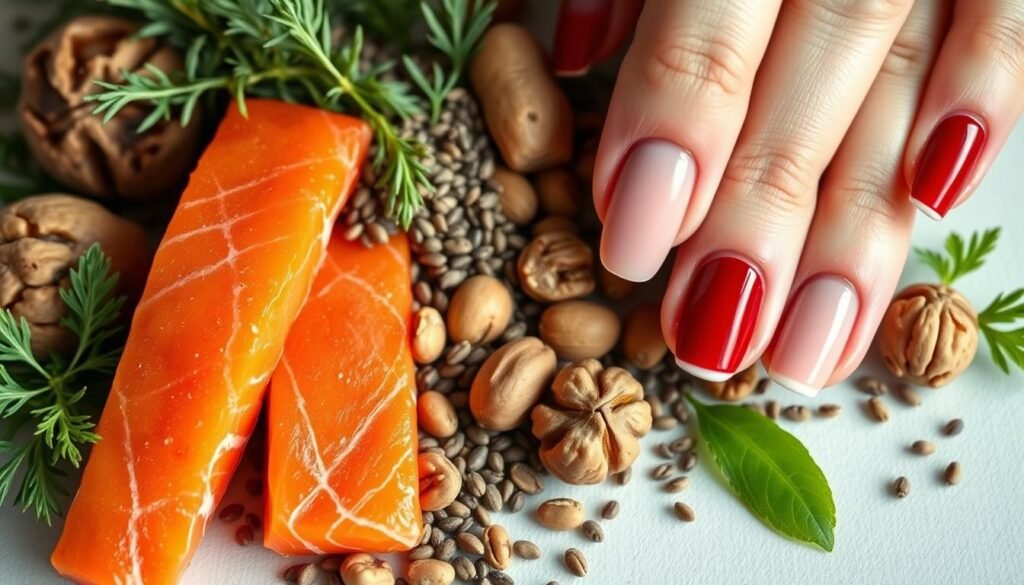
Eating these foods helps your nails stay moist. They also make your skin’s moisture barrier better. With these foods, you can say goodbye to brittle nails.
It’s important to keep our nails hydrated to avoid peeling. It helps to eat a variety of vitamins along with omega-3. For more tips on nail care, check out this guide on boosting nail nutrition.
| Food Source | Omega-3 Content (per 100g) | Additional Benefits |
|---|---|---|
| Salmon | 2260mg | High in protein and vitamins D and B12 |
| Flaxseed Oil | 53000mg | Rich in fiber and lignans |
| Chia Seeds | 17500mg | Excellent source of antioxidants |
| Walnuts | 9070mg | Contains other essential nutrients like magnesium |
By eating a balanced diet that includes omega-3 fatty acids, you can improve your nail health. This leads to nails that are both stronger and brighter.
Staying Hydrated for Optimal Nail Health
Drinking enough water is key for healthy nails. It helps them look good and stay strong. Nails need moisture to thrive, which depends on how much we drink. To keep nails vibrant and strong, drink water all day.
Experts say we should drink at least eight 8-ounce glasses of water per day, which is about 2 liters. Eating water-rich foods like fruits and vegetables also helps. Foods with vitamin C prevent nails from getting brittle. Cucumbers and watermelon, full of water, are great for hydration. This diet helps maintain healthy nails.
Below is a table highlighting some top hydrating foods that contribute to maintaining that all-important moisture balance:
| Food | Water Content (%) | Nutritional Benefits |
|---|---|---|
| Cucumber | 95 | Low in calories and high in water; enhances skin elasticity. |
| Tomatoes | 94 | Rich in antioxidants; allows for improved skin health. |
| Watermelon | 92 | Contains vitamins A and C; helps maintain hydration levels. |
| Strawberries | 91 | Packed with antioxidants; supports nail and skin vitality. |
| Peaches | 89 | High in vitamins; promotes hydration and overall well-being. |
Good hydration is vital for nail health. Adding plenty of fluids and hydrating foods to our diet boosts nail strength and look. Don’t forget, drinking water is a crucial part of caring for your nails.
Nail Care Tips for Maintaining Healthy Nails
Keeping your nails healthy is key for good looking nails. To avoid issues like onychorrhexis, which causes vertical ridges, certain tips can help. It’s important to follow these tips regularly for the best results.
Practices to Prevent Onychorrhexis
To fight onychorrhexis and keep your nails looking great, try these tips:
- Moisturize regularly: Use a heavy cream to keep nails and cuticles from drying out and getting ridges.
- Avoid harsh chemicals: Stay away from bad nail products to keep your nails healthy.
- Take breaks from gel manicures: Give your nails a rest from gel to recover.
- Wear gloves during chores: This protects your nails from too much water and chemicals.
- Avoid nail biting: Biting can really harm your nails and cause other problems.
- Incorporate nutrient-rich foods: Eating foods with lots of vitamins and minerals helps keep your nails strong and ridge-free.
- Regular manicures: Trimming and grooming your nails regularly keeps them from getting damaged and keeps them healthy.
By sticking to these nail care tips, you can greatly boost your nail health and ward off onychorrhexis. Keeping up with these habits is essential for both beautiful and healthy nails.
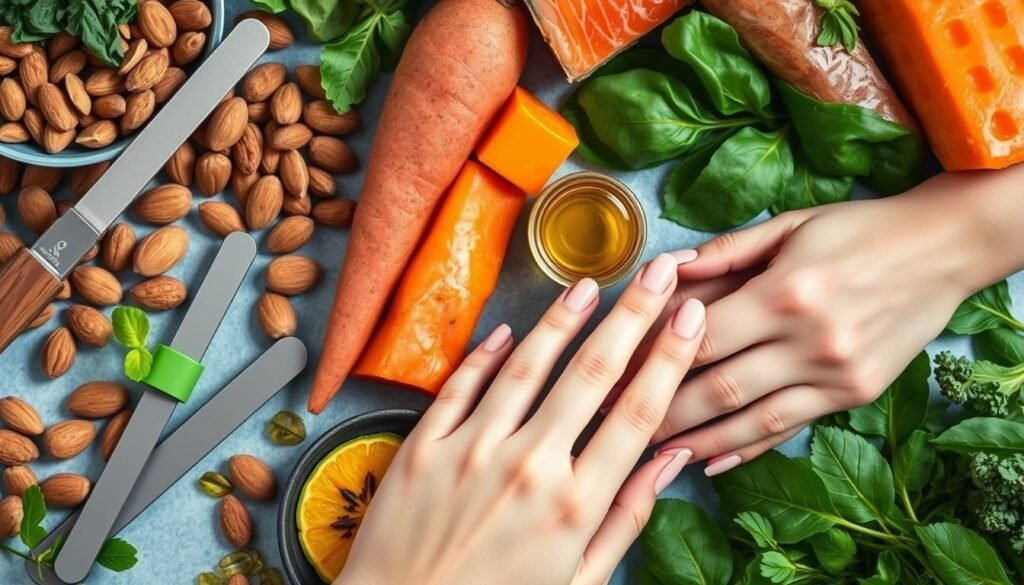
| Nail Care Practice | Benefit |
|---|---|
| Moisturizing | Reduces dryness and prevents ridges |
| Avoiding harsh chemicals | Maintains nail integrity and strength |
| Taking breaks from gel manicures | Allows natural nails to recover |
| Wearing gloves | Protects against damage from water and chemicals |
| Avoiding nail biting | Prevents structural damage to nails |
| Incorporating nutrient-rich foods | Supports overall nail health |
| Regular manicures | Enhances appearance and prevents breakage |
Conclusion
Eating foods rich in certain nutrients is key for healthy nails and avoiding conditions like onychorrhexis. Studies, including one from Farmoquímica Laboratórios S/A, show that nutrients like biotin, vitamins A, C, and E, zinc, magnesium, and iron make a big difference. They help nails grow strong by boosting keratinocyte maturation.
Taking these nutrients daily is a smart move for strong nails. A balanced diet and good nail care can naturally fight brittle nails. Research shows that well-nourished nails mirror overall health and contribute to our well-being.
Knowledge about what to eat for strong nails is the first step towards better nail health. Adding these foods to your life can lead to less brittleness and better-looking nails. If you’re curious about nail care products, check out studies and articles, like this detailed research.

