
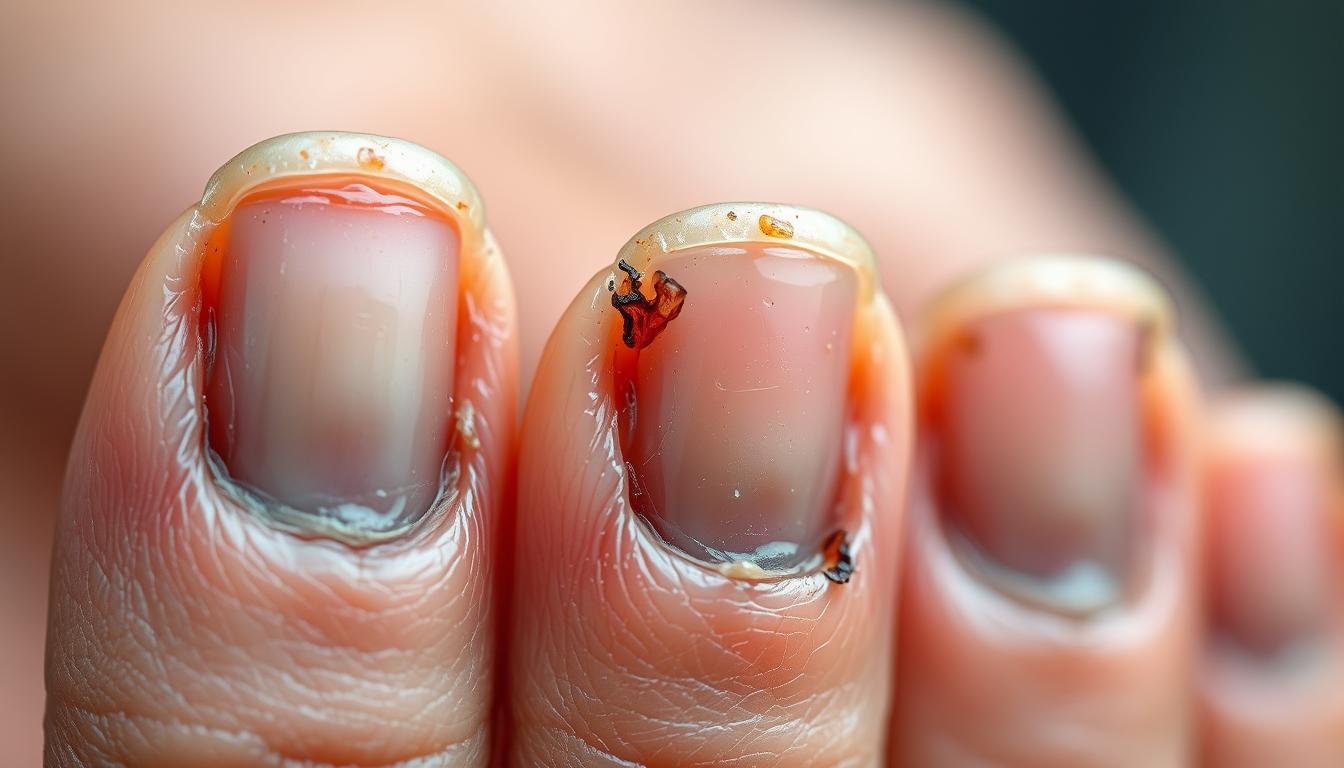
Nail plate brittleness is common, hitting up to 20% of folks. Women over 50 find themselves more at risk. Onychorrhexis involves vertical ridges and the nail splitting. This can point to anemia and thyroid issues. Knowing about these nail problems helps keep nails healthy and spots potential health concerns.
This piece will teach you about onychorrhexis, its causes, and symptoms. It also covers how it’s different from nail fractures. We’ll look into how nail and general health are linked. You’ll learn ways to prevent issues and find effective treatments for strong nails. If you’re worried about brittle nails or just want better nail care, this guide gives you the info you need on common nail disorders.
Key Takeaways
- Onychorrhexis may indicate various health issues, including nutritional deficiencies and systemic diseases.
- The condition is more prevalent in women, particularly those over 50 years of age.
- Self-care practices such as applying lotions and wearing gloves can improve nail health.
- Nail trauma, aging, and underlying health disorders significantly contribute to nail brittleness.
- Effective treatment options may include nutrient supplementation and specialized nail care treatments.
Understanding Onychorrhexis
Onychorrhexis is a nail condition marked by vertical ridges and nail brittleness. It comes from problems in the nail matrix, where nails grow. This condition is more common in women over 50, affecting up to 20% of them. Nails can develop vertical ridges and become fragile, making them split or break easily.
Nails grow differently over time. Fingernails grow about 3.0 mm a month, while toenails grow about 1.0 mm. After turning 25, nails grow slower by about 0.5% each year. Women’s toenails are usually 1.38 mm thick, and men’s are about 1.65 mm thick. Aging changes nail growth and strength, which can lead to onychorrhexis.
Onychorrhexis isn’t usually a health threat, but it can indicate other problems. It might point to autoimmune diseases like alopecia or lupus. Spotting onychorrhexis signs is important. It helps people watch their nail health and overall wellbeing.
What Causes Onychorrhexis?
Onychorrhexis involves nails splitting due to various factors. One key cause is nutritional deficiencies. If you’re not getting enough vitamins and minerals, your nails suffer. Iron, protein, and folic acid are essential. Without them, you may notice your nails become fragile. Research shows that nutrition affects the health of your nails.
Chronic illnesses also contribute to onychorrhexis. Diseases like thyroid imbalances and brittle nail syndrome can alter your nails. The changes these conditions cause have been well-documented. For example, a significant grading system for brittle nails was introduced in 2005. Other nail problems often accompany this syndrome.
Nail trauma is another factor to consider. It can come from too much manicure or harsh nail care products. A 2013 study highlighted how damaging this can be. It showed that people with brittle nails feel the impact deeply.
Getting older plays a role, too. As we age, our nails change in texture and strength. This is partly because our bodies don’t absorb nutrients as well. So, aging can make nutritional deficiencies worse, affecting our nails.
To keep your nails healthy, focus on your diet and avoid injuring your nails. By understanding causes of onychorrhexis, you can take steps to protect your nails.
| Cause | Description |
|---|---|
| Nutritional Deficiencies | Lack of essential vitamins and minerals, specifically iron, protein, and folic acid. |
| Systemic Diseases | Conditions such as thyroid disorders and brittle nail syndrome affecting nails’ structure. |
| Nail Trauma | Damage caused by repeated manicures or harsh nail care products leading to brittleness. |
| Aging | Natural aging process that alters nail texture and strength due to nutrient absorption issues. |
Symptoms of Onychorrhexis
The main sign of onychorrhexis is the appearance of vertical ridges on the nails. These ridges disrupt the nail’s smooth texture. Spotting them early is important. Other symptoms include nails turning yellowish, plus crumbling or peeling. These signs could point to health issues.
More serious cases might show blood spots or other nail abnormalities, like horizontal ridges. These signs can mean trauma or infection. Seeing these symptoms is key to understanding your nail health. For more on this topic, check out a full review of nail ridges and what they mean.
Nail Fractures: Overview
Nail fractures are breaks or splits in the nail. They often come from an injury or health problems that weaken the nail. Learning about nail fractures helps us keep nails healthy and deal with any pain or looks-related worries.
Many things lead to nail fractures. For older people, trauma to the big toenail is common, causing discoloration and thickening. This could lead to a condition known as onychogryphosis. Fungal infections might make nails crumble, while other illnesses can cause Mees’ lines. These are horizontal bands across the nails, showing the connection between nail and overall health.
Other nail issues often occur with nail fractures. For instance, psoriasis can make nails pit or separate from the nail bed. Terry’s nails and Yellow Nail syndrome link nail problems to serious health concerns, such as liver disease and lymph problems.
Knowing the different causes and patterns of nail fractures is key for treatment and care. By looking after our nails, we can lessen the chance of fractures. This way, our nails stay strong and healthy.
Common Types of Nail Fractures
Nail fractures come in different kinds, affecting nails’ health and look. Knowing these types of nail fractures is key for good care. Split nails, or onychorrhexis, are common. They have long splits and sometimes happen with other issues. Horizontal splits are called onychoschizia, while fragile nails signify keratin issues.
A study found that 20% of people have brittle nails, more common in women. Bad nutrition or chemicals can harm nails. Also, accidents, too many manicures, and too much water can cause damage.
To keep nails strong, start a good nail care routine. Watch out for problems like onychomycosis and dermatitis. Knowing about types of nail fractures helps prevent them. For more details on care and treatment, check this comprehensive resource.
Onychorrhexis and Nail Fractures: What You Need to Know
Onychorrhexis and nail fractures create unique challenges for nail health. Knowing their differences helps people care for their nails better. It boosts their well-being.
Differences Between Onychorrhexis and Nail Fractures
Onychorrhexis makes nails brittle, with vertical ridges and splits. While mostly a beauty concern, it can hint at more serious issues. These include poor nutrition or other health problems. Nail fractures are breaks caused by injury or ongoing nail issues. It’s crucial to address both conditions to avoid worse damage.
Relationship Between Nail Health and General Health
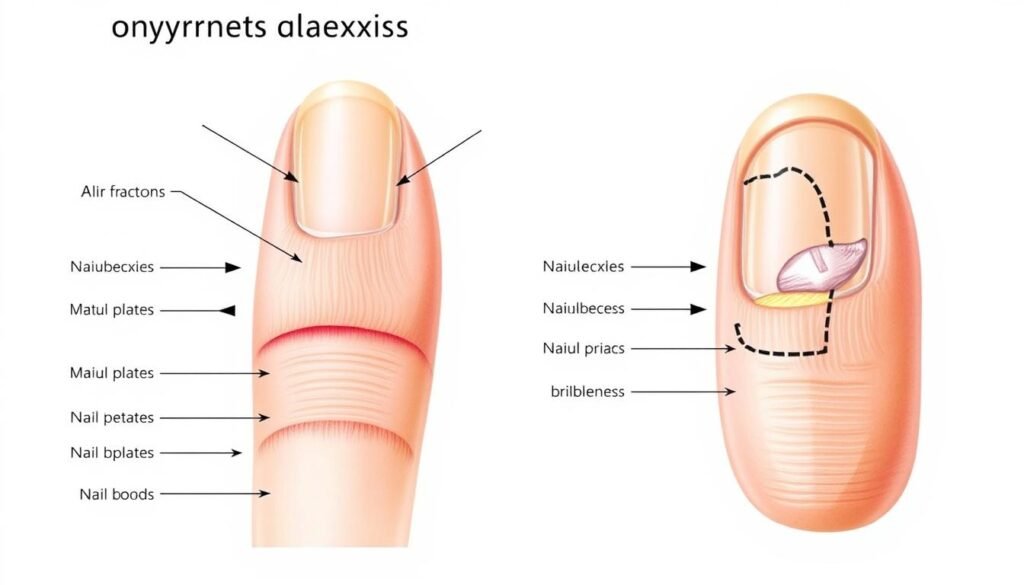
Your nail condition often reflects your overall health. Troubles with nails can signal bigger health issues. For example, onychorrhexis may suggest anemia or chemical overuse. Nail fractures could indicate dehydration or not getting enough nutrients. Checking your nails often and consulting a pro can improve nail and overall health.
| Condition | Indicators | Potential Causes |
|---|---|---|
| Onychorrhexis | Brittle nails, vertical ridges | Anemia, overuse of nail products |
| Nail Fractures | Splits or breaks in nails | Trauma, chronic nail disorders |
| Nail Health | General appearance, strength | Diet, hydration, lifestyle factors |
Preventing Onychorrhexis and Nail Fractures
Taking care of your nails is key. It helps stop onychorrhexis and nail breaks. To keep nails healthy, it’s smart to follow good nail care tips and protect them. Knowing how to do this is good for your health and looks.
Effective Nail Care Practices
Nail care is important for stopping onychorrhexis. Here’s what you should do:
- Regular trimming: Cutting nails often helps avoid breakage.
- Moisturizing: Keeping nails moist stops them from getting brittle.
- Gentle cleaning: Soft soaps and gentle cleaning keep the nail bed safe.
Nail Protection Strategies
To lower the chance of nail damage, use these tips:
- Wearing gloves: Wear gloves for housework to protect nails from harsh stuff.
- Avoiding harmful products: Choose nail products without bad chemicals like formaldehyde.
- Ensuring proper nutrition: Eating well helps your nails stay strong and grow right.
Treatment Options for Onychorrhexis
Treatment for onychorrhexis targets the root causes while enhancing nail health. For those with brittle nails, a mix of nail strengthening methods and proper care can bring great results. Adding dietary supplements helps tackle the nutritional gaps that weaken nails. Biotin and vital vitamins play a key role in keeping nails strong.

Topical treatments are also effective in boosting nail strength. Formaldehyde varnish is commonly advised because it strengthens the nails. Good hygiene habits are critical too. Regular moisturizing with oils and lotions can lessen brittleness, making nails look better.
| Treatment Options | Description |
|---|---|
| Dietary Supplements | Address nutritional deficiencies with vitamins like biotin and minerals essential for nail health. |
| Formaldehyde Varnish | Topical treatment that strengthens nails and adds a protective coating. |
| Nourishing Oils | Moisturizers that enhance hydration and prevent dryness in nails. |
| Good Hygiene Practices | Regularly clean and care for nails to maintain their health and prevent infections. |
A holistic approach involves dietary supplements, topical solutions, and good nail care. These steps will bolster nail health and durability for those facing onychorrhexis.
How to Manage Nail Fractures
Managing nail fractures can often be simple. It involves home remedies and good nail care. These steps promote nail strength and health. By adopting specific strategies, you can lessen fractures and better your nails’ condition.
Home Remedies for Nail Care
Home remedies are key for nail fractures and better nail care. They are cost-effective and helpful for keeping nails healthy:
- Keep nails trimmed and filed: Short nails are less likely to catch and break.
- Moisturize regularly: Oils or creams with lots of moisture help maintain the nails’ moisture balance.
- Utilize vitamin-enriched nail polishes: These polishes add extra strength to your nails.
- Apply protective base coats: A strong base coat stops moisture loss and shields nails from chemicals.
- Practice a balanced diet: Eating foods full of vitamins and minerals aids in healthy nail growth.
Adding these remedies to your daily routine can help deal with nail fractures. This does not only make your nails stronger. It also improves how they look.
Nutrition and Nail Health
Nutrition plays a big role in keeping nails strong and healthy. Eating a balanced diet gives your nails what they need to grow well. The nail plate is mostly made of keratin, which depends on what we eat.
Minerals like zinc, iron, and calcium keep our nails tough. Not having enough zinc can make nails weak or oddly shaped. The nutrients in our body can show up in our nails, linking what we eat directly to how our nails look.
Poor nutrition can hurt our nails, making them weak. Soft, thin nails might mean you’re not getting enough nutrients. Eating foods high in biotin, zinc, and proteins helps nails stay strong. A good diet can prevent nail problems, according to nutrition and nail health.
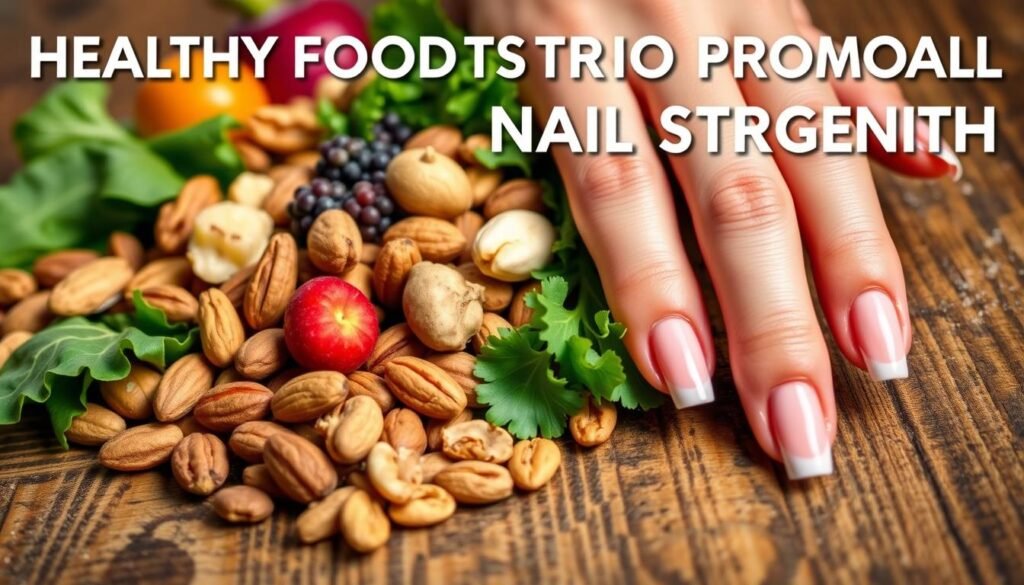
Getting the right amount of zinc each day is key for healthy nails. It depends on your age and whether you’re male or female. Not getting enough zinc can cause nail issues like Beau’s lines.
Staying hydrated and eating nutrient-rich foods are crucial. They help keep nails strong and prevent brittle nails. A healthy diet benefits your nails and your overall health.
Conclusion
Knowing about onychorrhexis and nail fractures is crucial for healthy nails. Nearly 20% of people, especially women over 50, suffer from nail plate brittleness. Understanding symptoms and causes lets people act early for stronger nails.
Good nail care and eating right are key to preventing problems. Vitamins and minerals make nails healthier. Also, knowing about inflammatory nail disorders and brittle nail syndrome is beneficial. This knowledge helps avoid further nail damage.
Putting nail health first and knowing how to treat issues like onychorrhexis is important. It leads to better overall health and beautiful, strong nails. Caring for nails properly boosts self-esteem and general health.

